Ask the Room First: A Consent Workflow for UK 3D Capture
There is a moment before any 3D capture begins when the room is still just a room. The tripod is folded. The LiDAR unit is in its case. Somebody is checking the battery on a phone. That is the best moment to think about consent, because once the scanner starts sweeping, the space stops being neutral. It becomes a point cloud, a mesh, a splat, a scene with people in it.
UK 3D capture has spent a lot of time in cathedrals, museums and heritage sites, where access is managed and the cast of characters is usually known. Now it is spilling onto high streets, into markets, community halls, rehearsal rooms and live events. That is good for spatial media. It also means capture teams are meeting a messier consent problem: not just who owns the building, but who owns the moment, the likeness and the data trail that follows.
Consent is a production department, not a form
The easiest mistake is to treat consent as paperwork that happens after the creative decisions. In practice, consent shapes the shoot. If the team knows a public event will include children, or that a performer wants their face masked in derived outputs, or that a trader does not want their stall in a commercial scene, the capture plan changes. Camera positions change. Scan times change. The edit changes.
That is why consent belongs in the same conversation as risk assessment, site access and data storage. It is not a legal layer sprinkled on top. It is part of the production design.
Public space is not a free-for-all
A high street, market square or station concourse may feel open, but openness is not the same as permission. In the UK, data protection law can still apply where people are identifiable. A point cloud that captures faces, clothing and movement can be personal data, even if it does not look like a photograph. Add audio, timestamps or location metadata and the picture gets richer still.
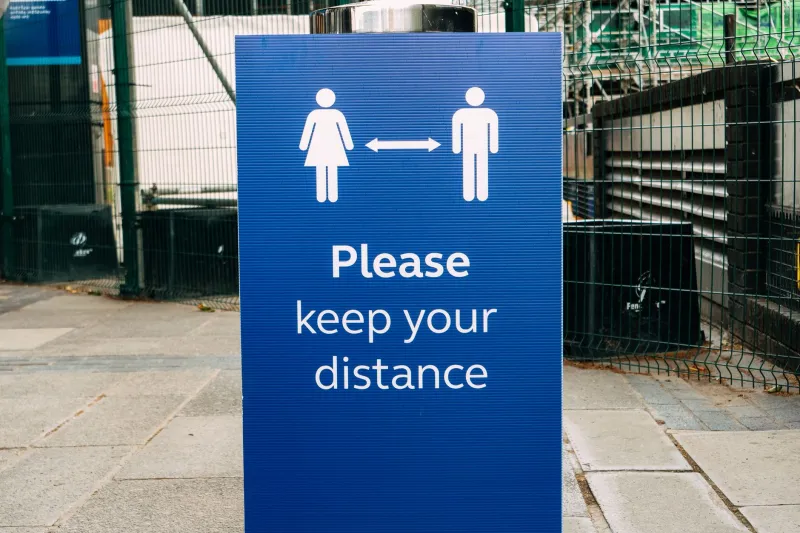
That means two separate questions. First, who controls the space? A local authority, landlord, event organiser or transport operator may need to grant access before the rig goes up. Second, how will people in that space be told what is happening? A notice at the entrance is a start, but it is not a magic spell. It needs plain English, a clear purpose, a contact route and an obvious way to ask questions or object. A QR code to a short page can work better than a laminated paragraph, especially if it explains what will be captured, how long it will be kept and how someone can request removal.
For busy public captures, the practical answer is often a mix: off-peak scanning, defined capture zones, signage, crew who can explain the project, and a plan to blur or mask people who do not want to be included. If the scene does not need a crowd, do not capture one just because the scanner can.
Performers need more than a signature
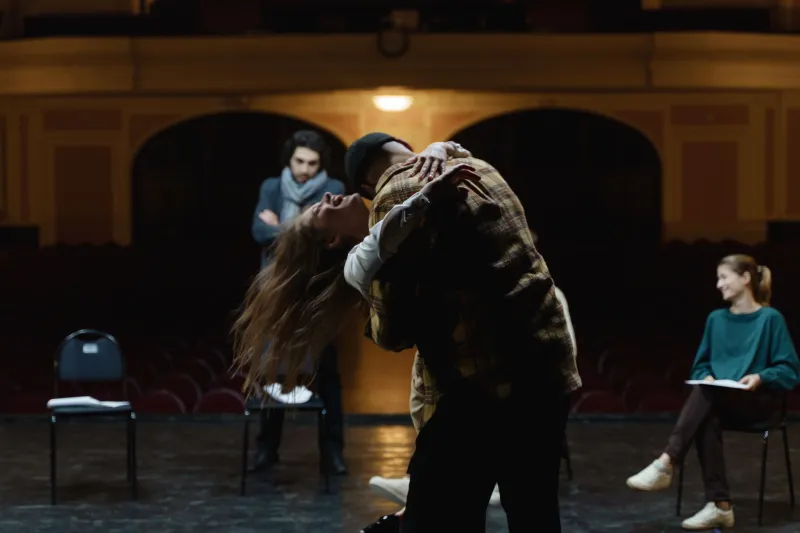
Performers, artists and contributors are often the heart of a spatial piece, and their consent needs to be specific. A general release that says the footage may be used in perpetuity across all media is technically thorough and practically unhelpful. It tells the performer very little about what they are agreeing to.
A better release names the project, the capture methods, the intended outputs and the likely contexts. Will the scan appear in a gallery, a website, a headset experience, a training tool? Will it be sold? Will it be adapted into a derived asset? Will the performer be credited? Can they withdraw, and what happens if they do?
Likeness is not only a face. In a detailed scan, posture, costume, hair and movement can identify someone. A performer may be comfortable with a static point cloud in an archive but not with a photoreal avatar in a commercial scene. Those are different consents, and the conversation should say so. Where minors are involved, guardian consent and a clear child-friendly explanation are baseline expectations, not extras.
The withdrawal problem
Withdrawal is where spatial capture gets awkward. A 2D photograph can be removed from a page. A point cloud may be embedded in a scene, merged with other scans, used to generate a mesh, or turned into a splat that is hard to unpick. Promising a clean removal at any time is rarely honest.
So the policy should be honest instead. Set a withdrawal window before publication. Explain what can be removed, what cannot, and what will happen to derived assets. Keep a capture log that records who was in which scan, when it was taken and where it was used. That sounds dull, but it is the difference between a responsible process and a hopeful one. If the team cannot support withdrawal, say so before the scan starts, not after someone asks.
A pre-scan checklist for UK teams
- Define the purpose in one sentence a stranger could understand.
- Identify the lawful basis and who is responsible for the data.
- Confirm landowner, council or event organiser permission.
- Check whether the space has existing filming or photography rules.
- Prepare plain-English notices with a contact route and opt-out process.
- Decide how faces, minors and bystanders will be avoided or masked.
- Use releases that name the project, outputs, territory, duration and withdrawal terms.
- Record where captured material is stored, who can access it and when it will be deleted.
- Agree a credit and attribution approach with contributors.
- Brief the crew so they can answer basic questions without improvising law.
None of this replaces proper legal advice, and none of it guarantees that every person in a public space will be delighted. But it does make the consent layer visible. It tells people that the scan is not a silent extraction. It gives them a route in.
Spatial media is compelling because it puts an audience inside a place. The consent process should do something similar for the people who were already there. Ask the room first. Then scan it.